CAD/CAM materials
CrCo
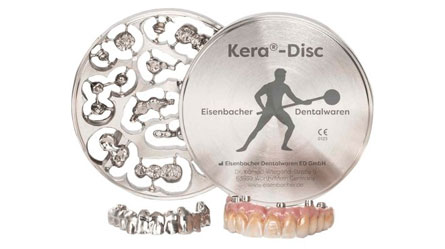
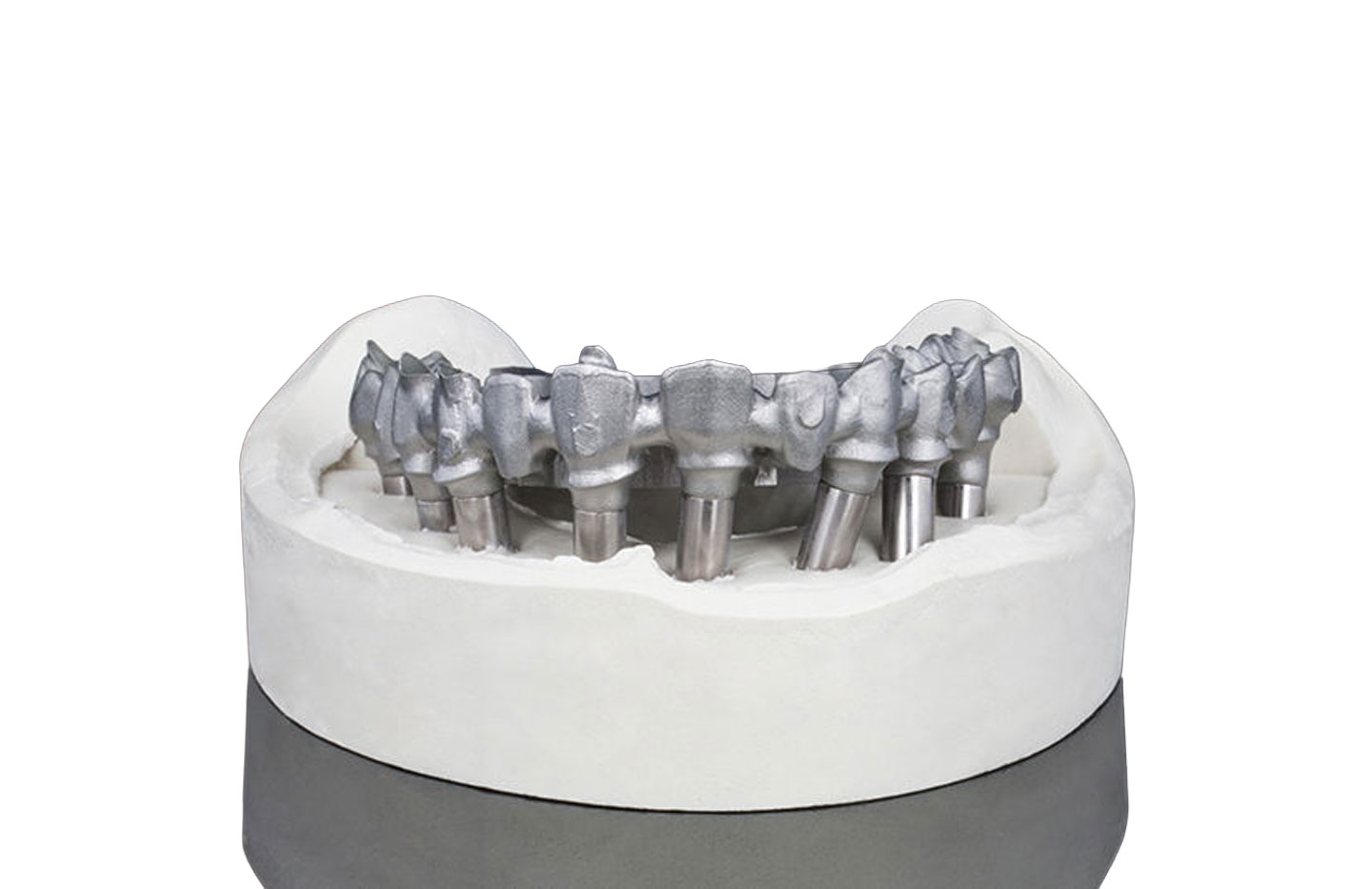
Cobalt-chrome (CrCo) is a metal alloy widely used in the production of prosthetic structures, such as metal-ceramic crowns and implant bars. In the CAD/CAM workflow, it stands out for its strength and stability, being primarily used in laboratories. It is associated with ceramic application (layering).
Using CrCo in the digital workflow requires integration between scanning, design, and milling or casting. As a rigid material, it requires robust equipment or indirect processes. The choice of workflow directly impacts cost, control, and production capacity.
What is the ideal workflow for working with CrCo?
Advanced workflow
Intraoral Scanner
CAD/CAM Software

3D Printer
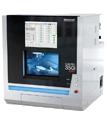
Dental Milling Machine
Sintering Furnace*
Basic workflow
Intraoral Scanner
CAD/CAM Software

3D Printer

Washing Unit
Curing Unit
*Only applicable for pre-sintered CoCr cases
Check out the CrCo equipment below
CrCo can be milled in a pre-sintered or hard state, requiring everything from argon furnaces to robust metal milling machines.
Nenhum produto encontrado.
Discover some advantages of using CrCo
High strength for metal structures
- Withstands high loads in fixed prosthetics
- Ideal for extensive structures and bars
- Reduces risk of deformation
Versatility in the production workflow
- Can be milled or used via casting
- Compatible with metal-ceramics
- Adapts to different laboratory setups
Stability and clinical reliability
- Maintains fit even in complex structures
- Good long-term performance
- Indicated for implant-supported prosthetics


