digital workflow stage
Intraoral Scanner
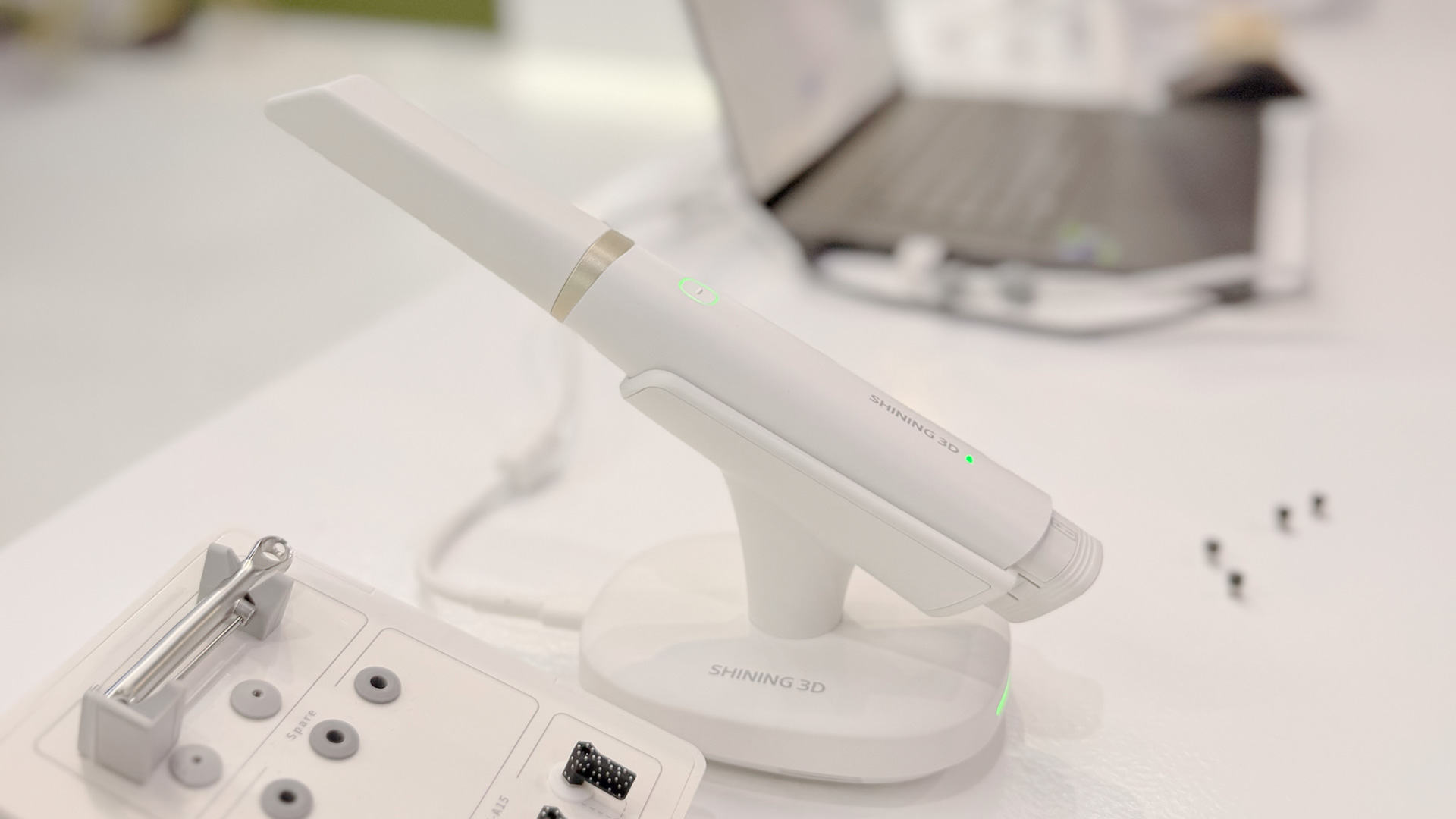
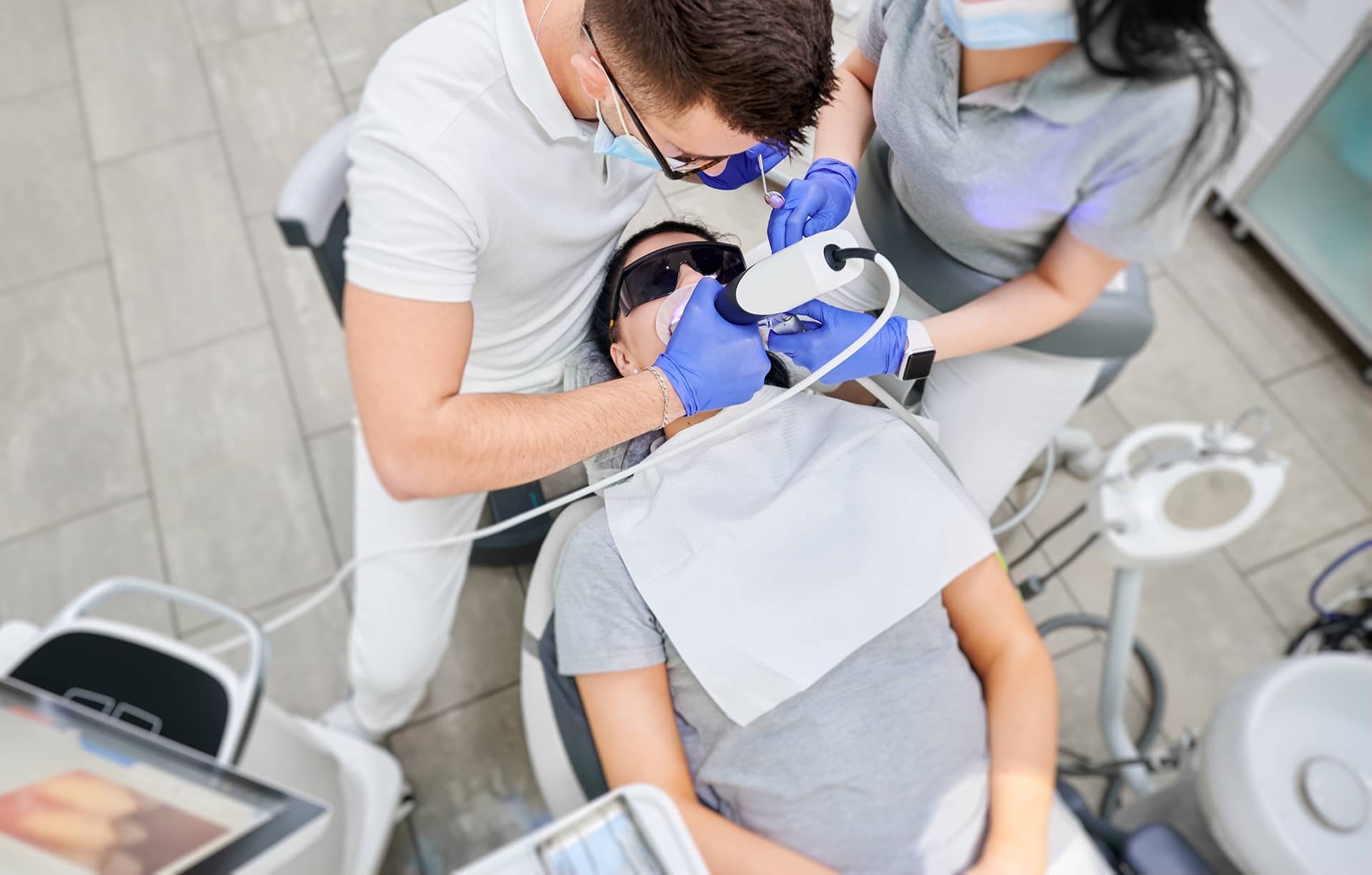
The intraoral scanner is a device that captures 3D images of the patient’s mouth, replacing traditional impressions. It is used in prosthetics, implants, orthodontics, and digital workflow, offering greater precision, comfort, and clinical efficiency.
There are different types of intraoral scanners, varying in speed, precision, and software integration. The ideal choice depends on case volume, type of application, and the level of digitalization of the clinic or laboratory.
Discover 4 characteristics to analyze when purchasing an Intraoral Scanner
Software quality and ease of scanning
Hardware matters, but the real experience depends heavily on the software. A good intraoral scanner needs to capture, process, and assemble the 3D model smoothly, reducing failures, retakes, and difficulty in more challenging areas.

Integration with laboratory, CAD/CAM, and digital workflow
Before purchasing, evaluate how the scanner communicates with software, milling machines, 3D printers, and laboratories. Equipment with open export and simple integration facilitates case submission, reduces rework, and avoids excessive dependence on closed ecosystems.
Ergonomics, tips, and clinical routine
Weight, handpiece size, tip options, fog control, and biosafety directly impact the routine. A more comfortable and easy-to-position scanner tends to improve the learning curve, productivity, and patient experience.
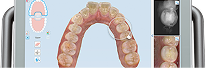
CAD/CAM integration
Understanding compatibility with different design software, milling machines, and printers prevents restrictions in your ecosystem.
Check out the Intraoral Scanners below
Discover the leading intraoral scanners for clinics and laboratories, with brands such as 3Shape, Medit, Shining 3D, Carestream, and Planmeca. Check out the available options below and understand which makes the most sense for your digital workflow.
Nenhum produto encontrado.
Discover some advantages of using an intraoral scanner
Greater comfort and better patient experience
- Eliminates conventional impression materials
- Reduces discomfort and gag reflex
- Allows immediate case visualization on screen
Greater efficiency in clinical and laboratory workflow
- Generates digital models in real time
- Facilitates file submission to laboratory
- Reduces repetitions and accelerates treatment stages
Greater predictability for digital growth
- Improves integration with CAD/CAM and orthodontics
- Supports more precise rehabilitation planning
- Creates foundation for expanding the clinic’s digital workflow